Innovating Internal Tools for Greater Customer Impact
Overview
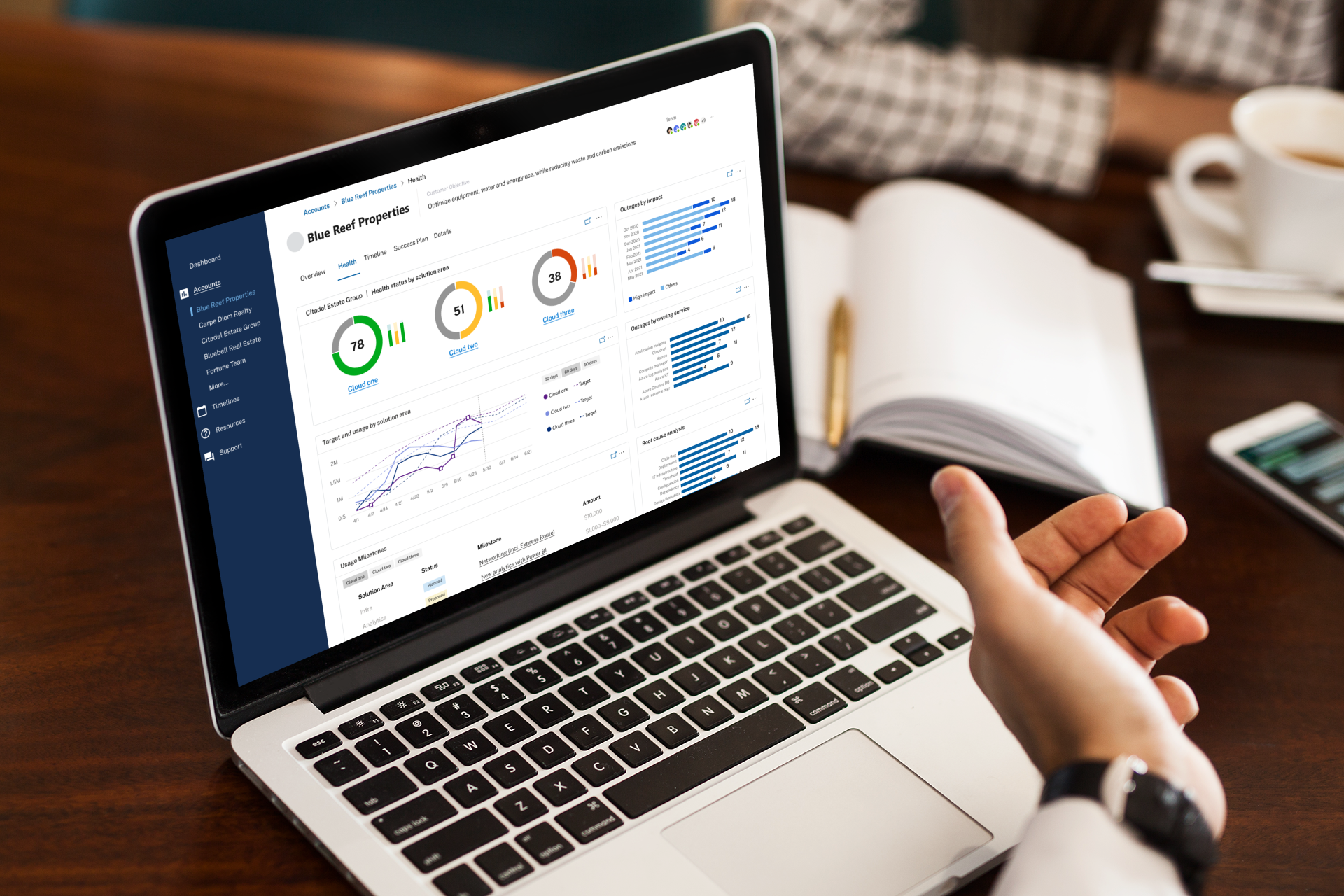
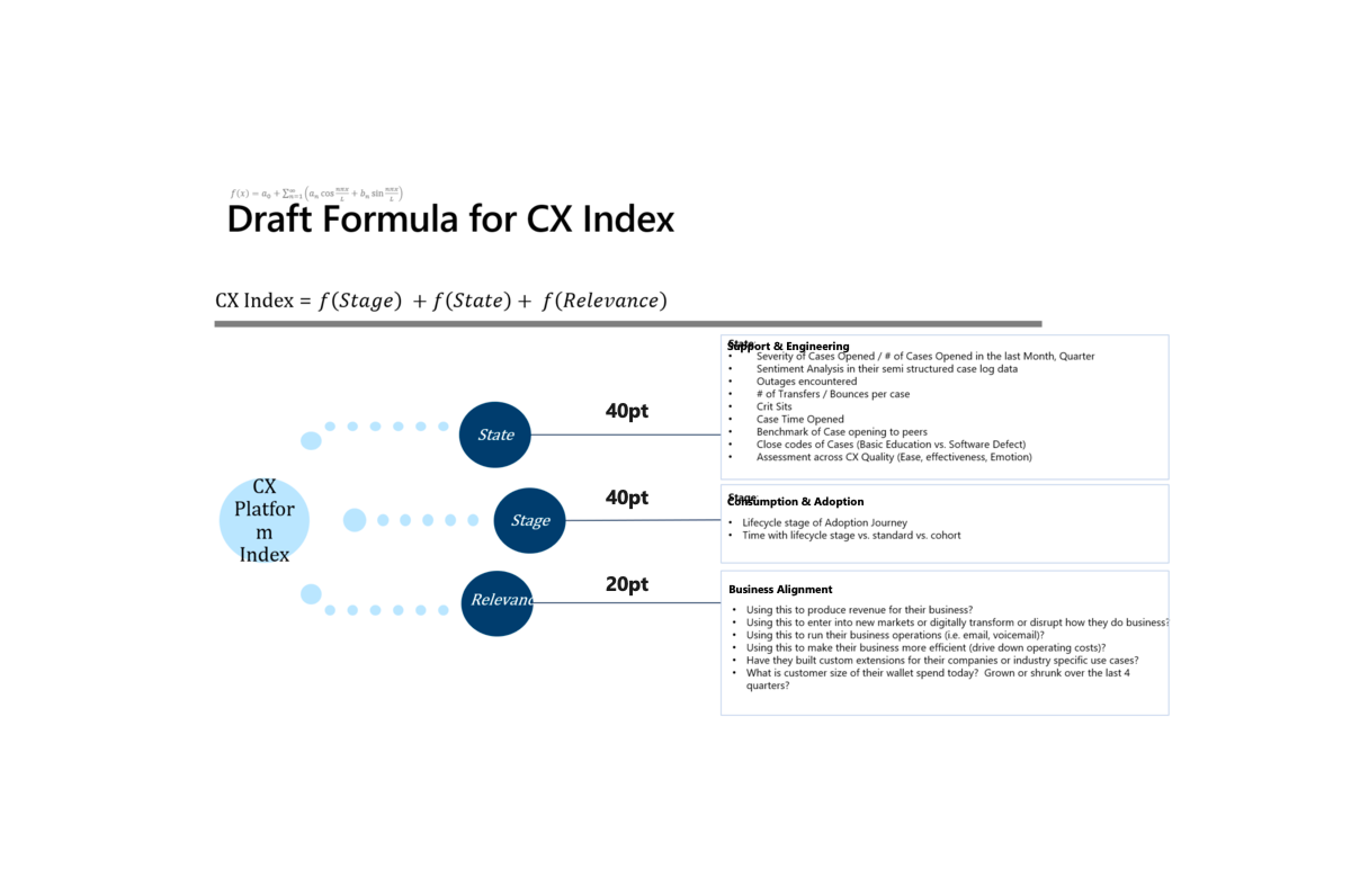
A transformative initiative at a leading technology company focused on consolidating numerous fragmented tools into a unified solution to enhance the digital customer experience, along with developing a new system for assessing customer health.
Background
The company sought to streamline enterprise client services by improving efficiency and visibility through a centralized digital tool, with a new assessment component as an integral part for visual analysis of customer health.
Focus
Design Operations (process definition, workshop facilitation, tool optimization)
User Research & Feedback Loops
Prototyping & Visual Design
Cross-Functional Collaboration
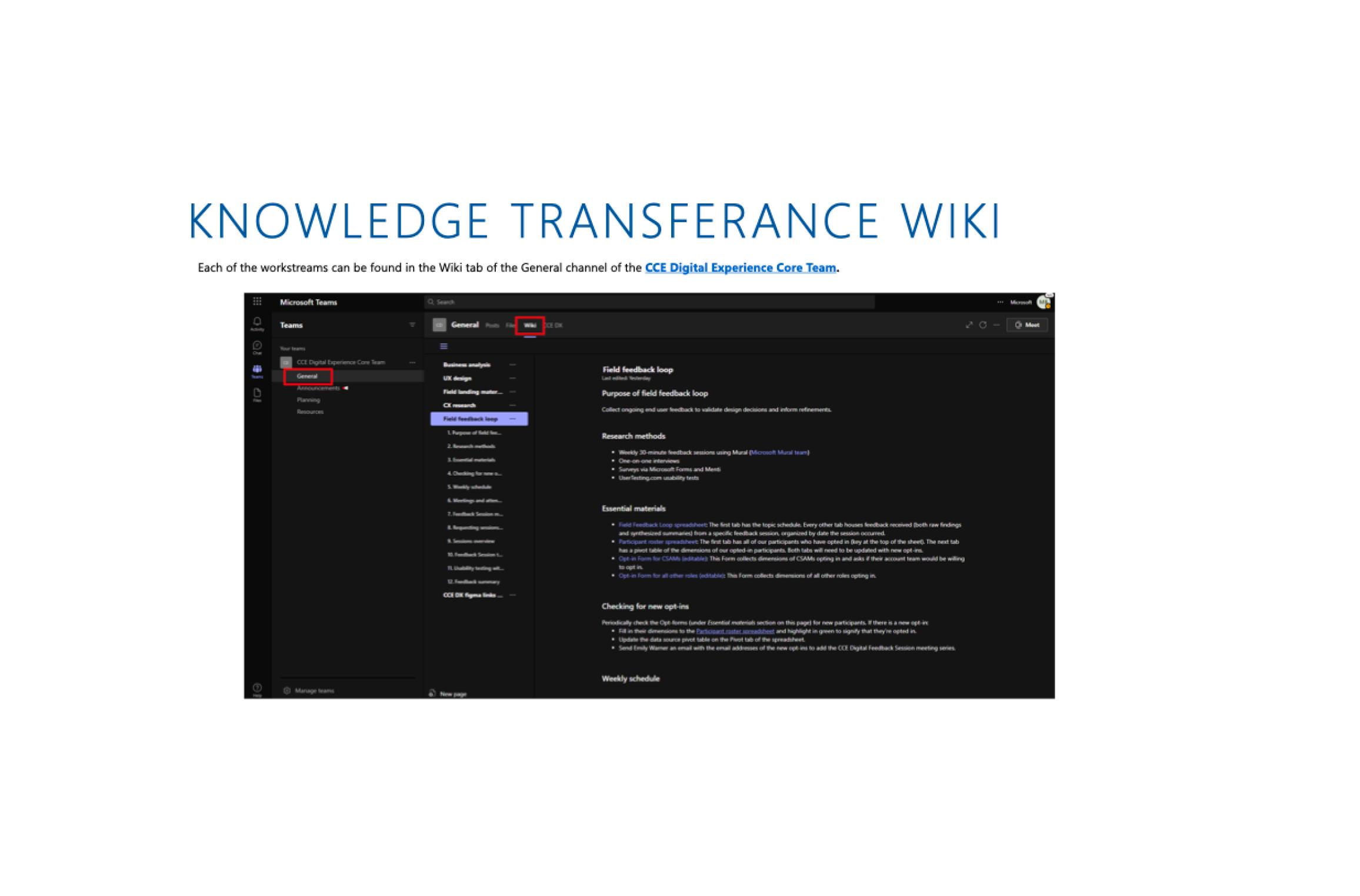
Knowledge Management
Advocacy for Design Needs
Purpose
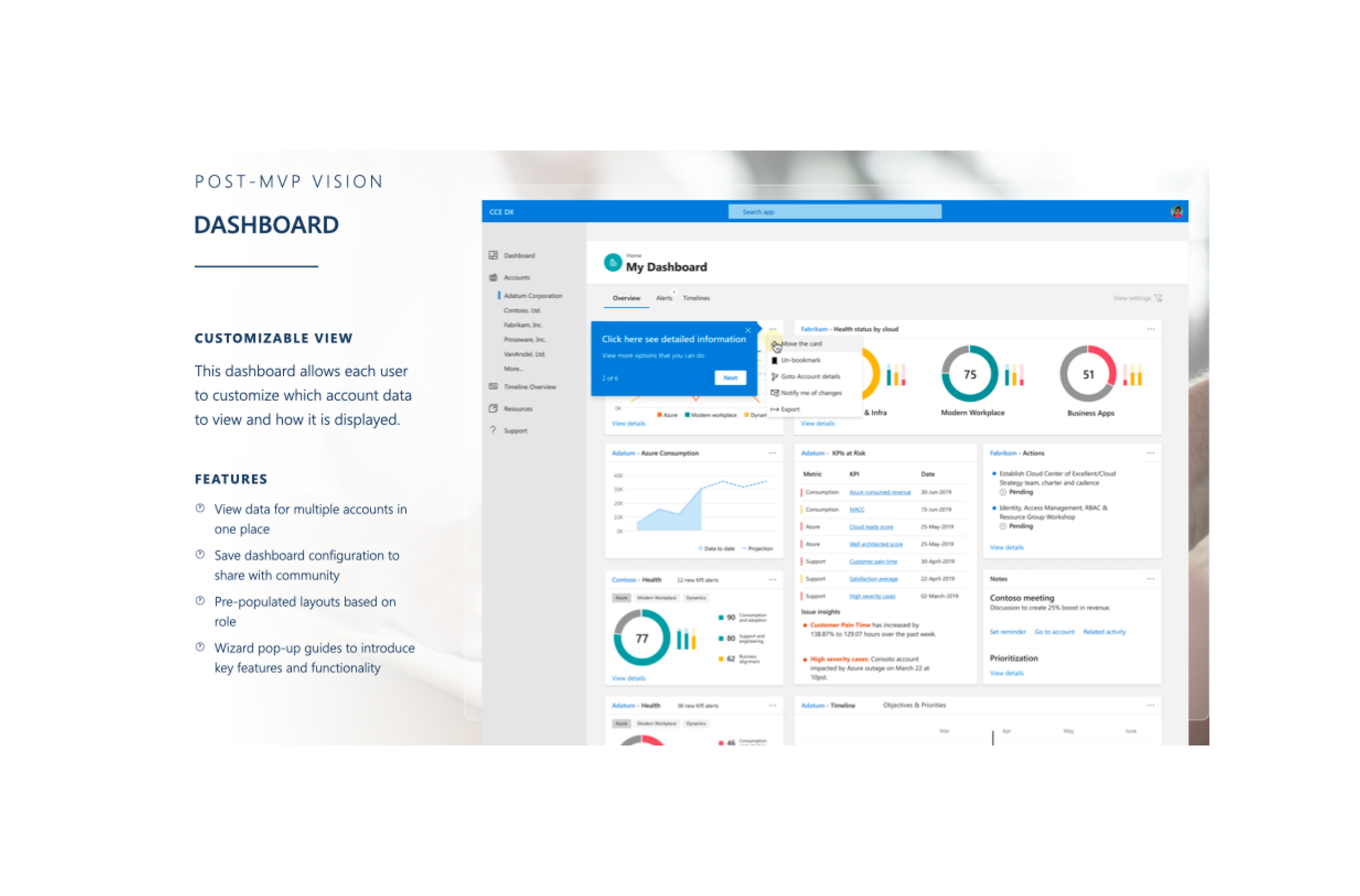
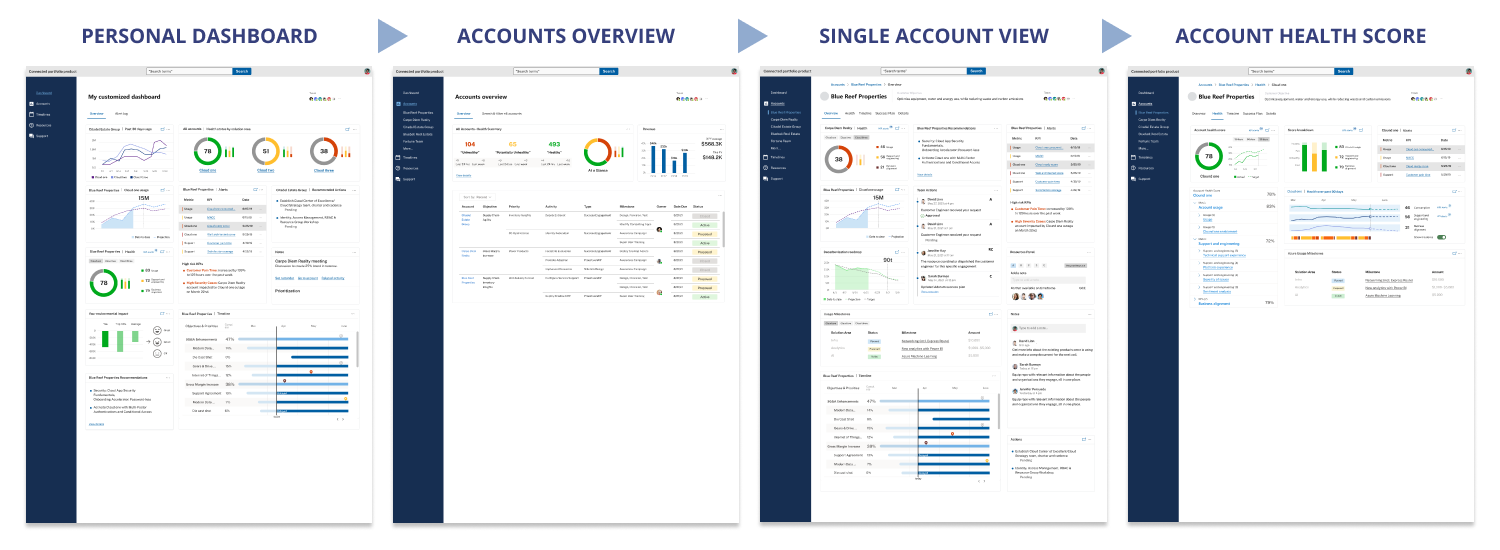
To address inefficiencies from a "disconnected customer support system," a unified interface was developed to enhance effectiveness and user satisfaction.
Team
Role: UX Designer
Responsibilities: Leading workshops to facilitate user insight synthesis; conducting user research and developing usability testing protocols; advocating for design needs and expanding the design system; managing team alignment and knowledge transfer amidst high turnover.
Team: Multidisciplinary team involving consulting partners, program managers, developers, and researchers.
Scope
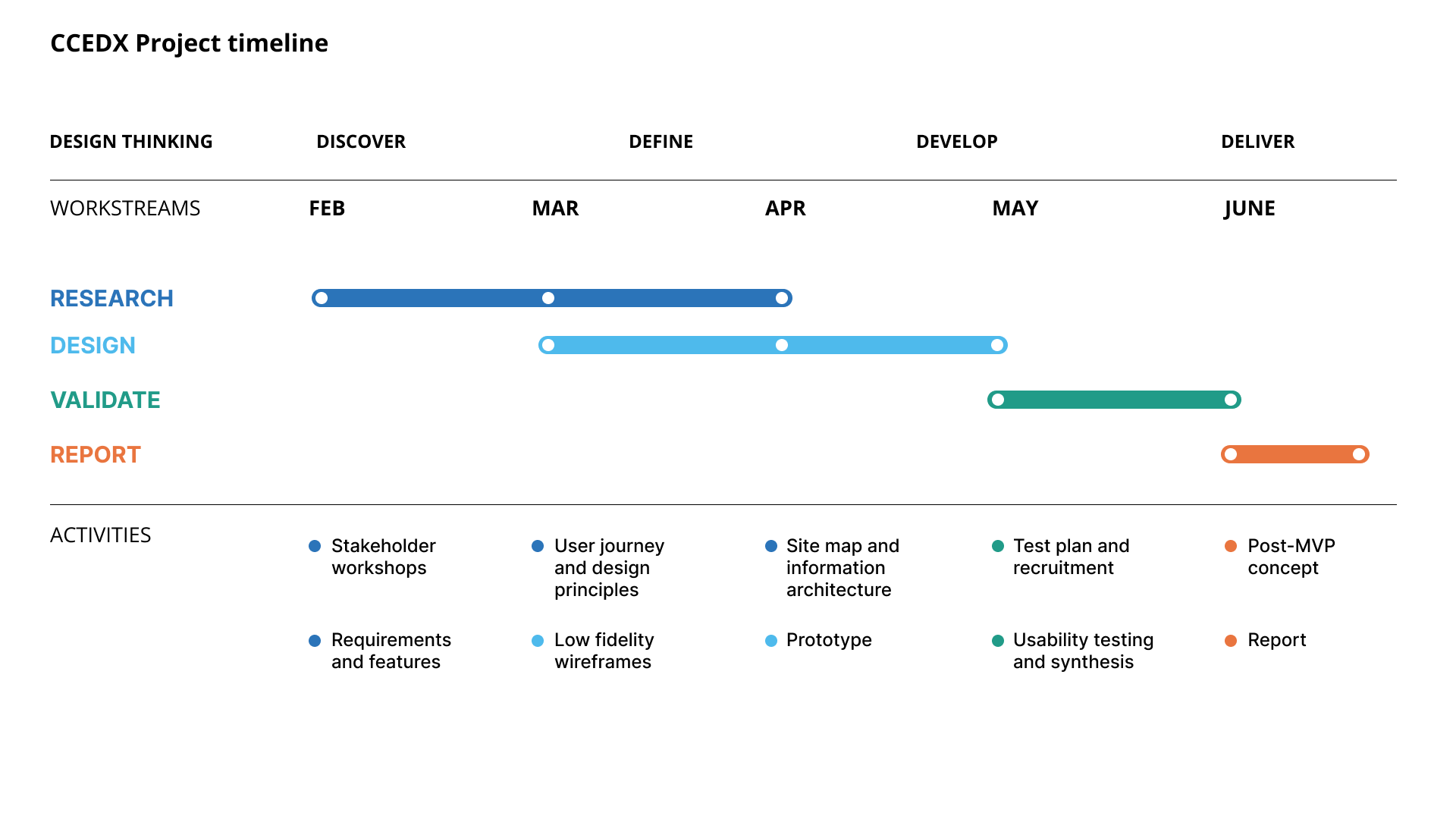
Timeline: 5 months
Scope: Delivery of MVP designs for essential components, alongside a comprehensive design system.
Constraints: Addressing team turnover, shifting priorities, and aligning cross-team efforts under tight timelines.
Process
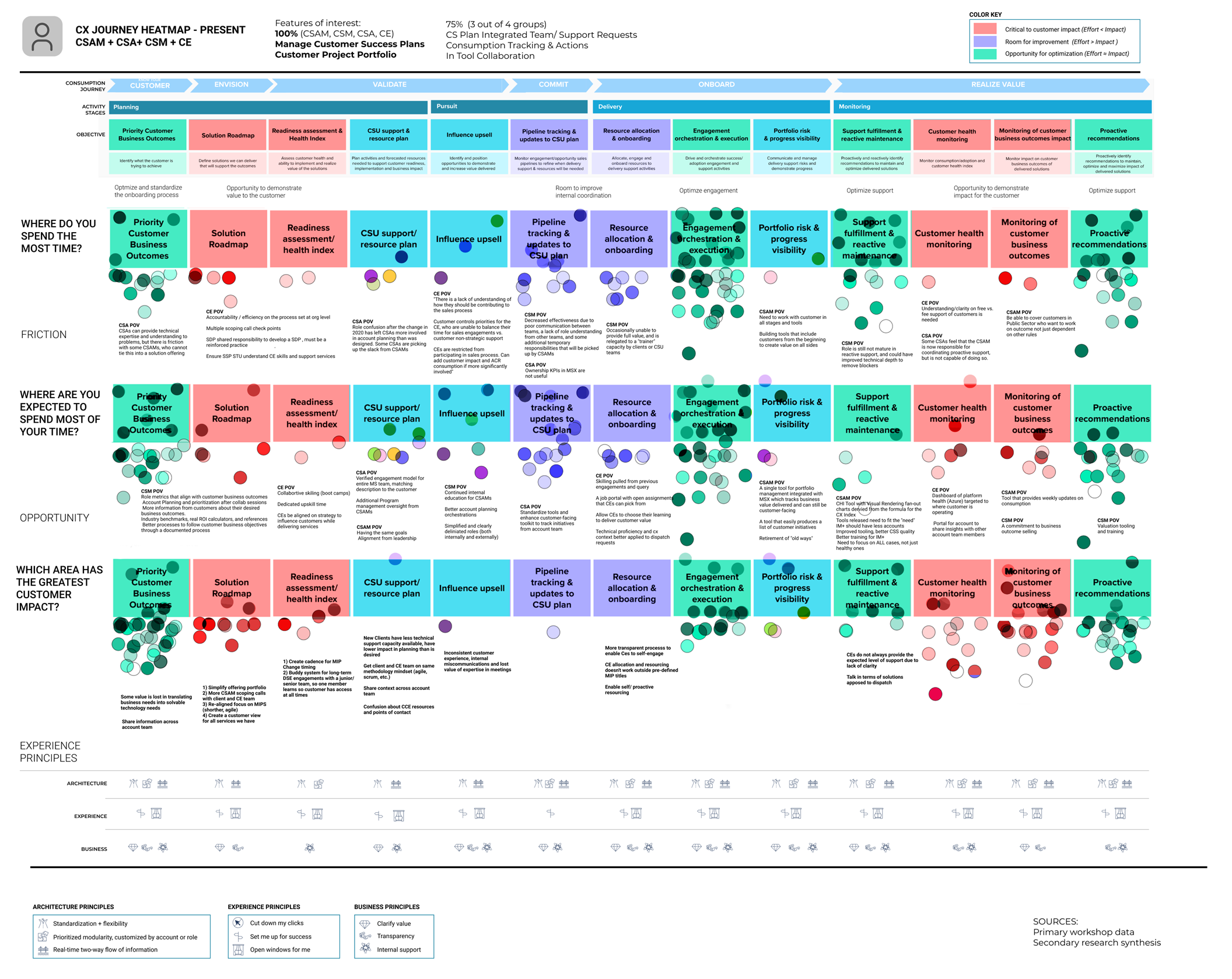
Research & Discovery: Led workshops for user insights, creating journey maps, and identifying pain points; conducted in-depth user research to guide design decisions.
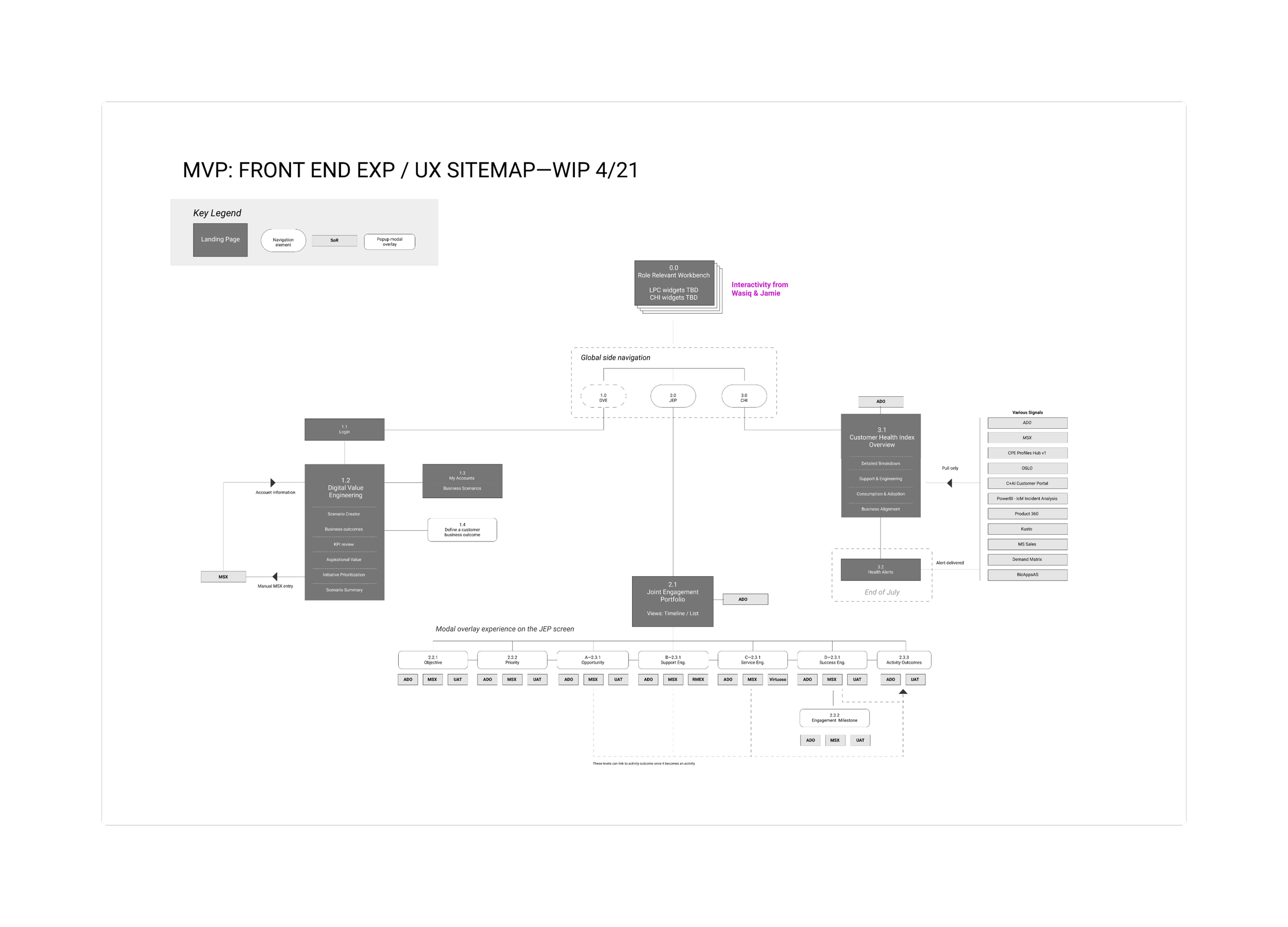
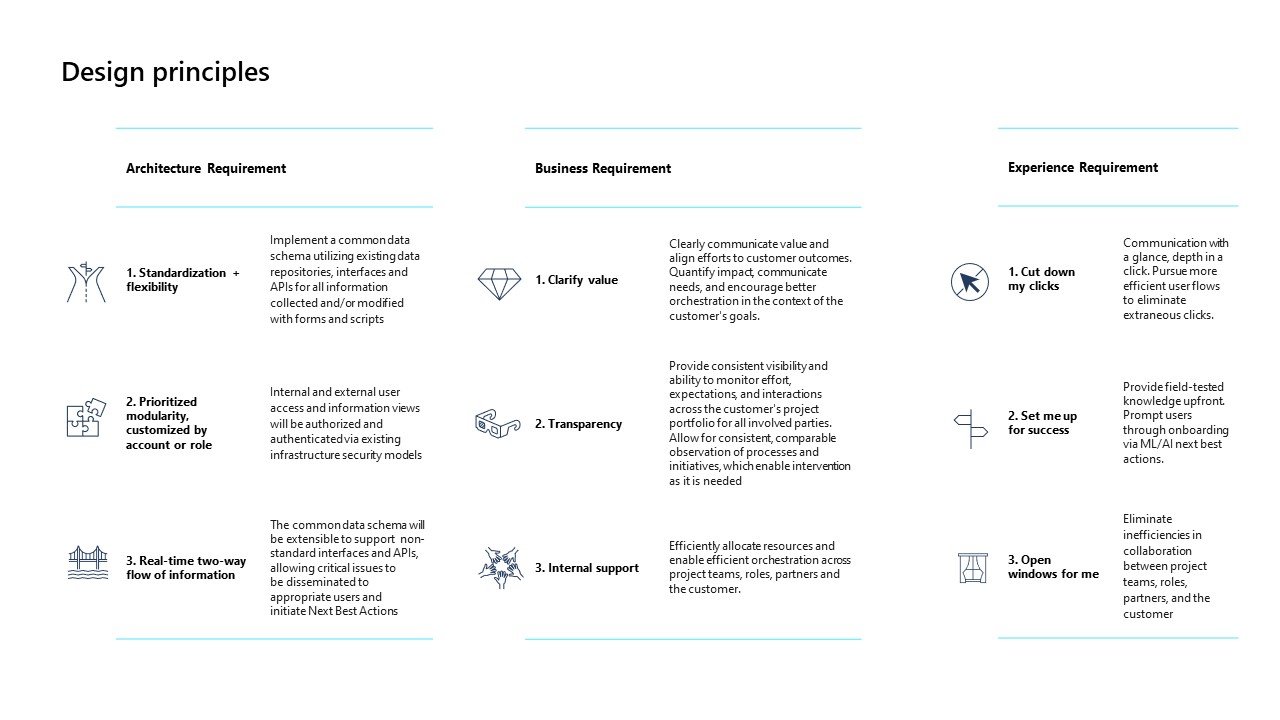
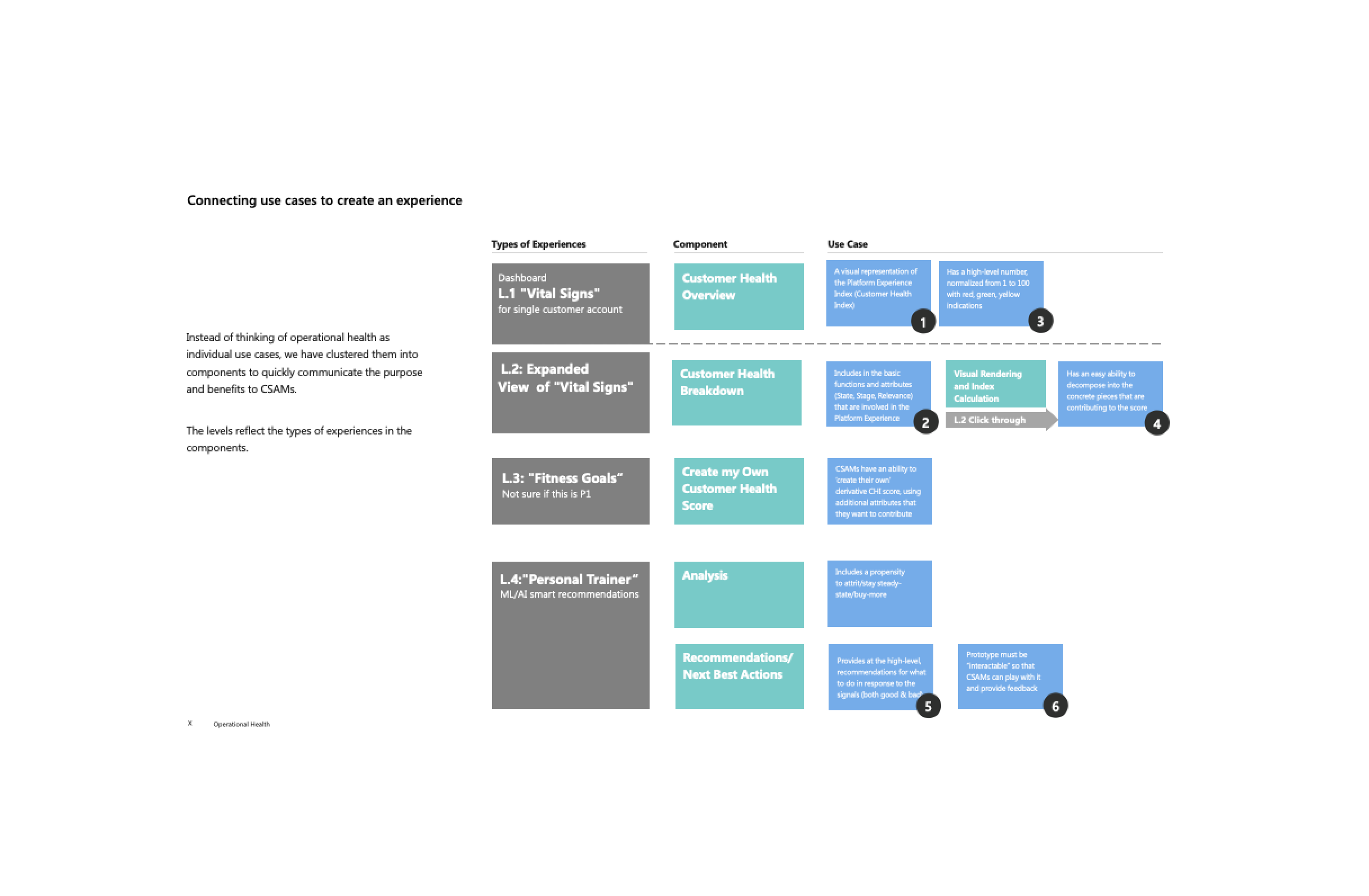
Product Strategy & Ideation: Defined core experience principles and designed scalable information architecture; developed prototypes emphasizing modularity and clarity.
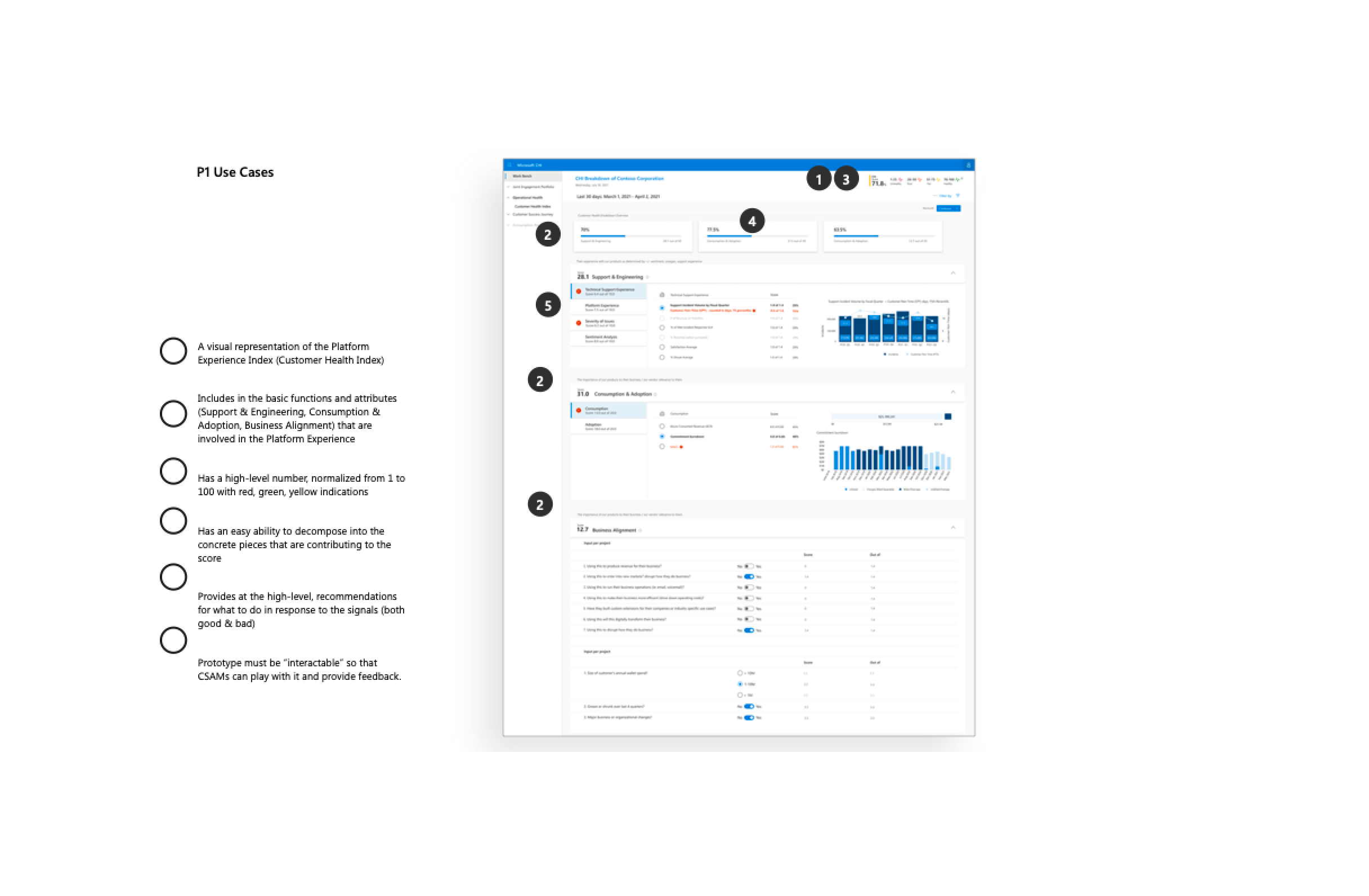
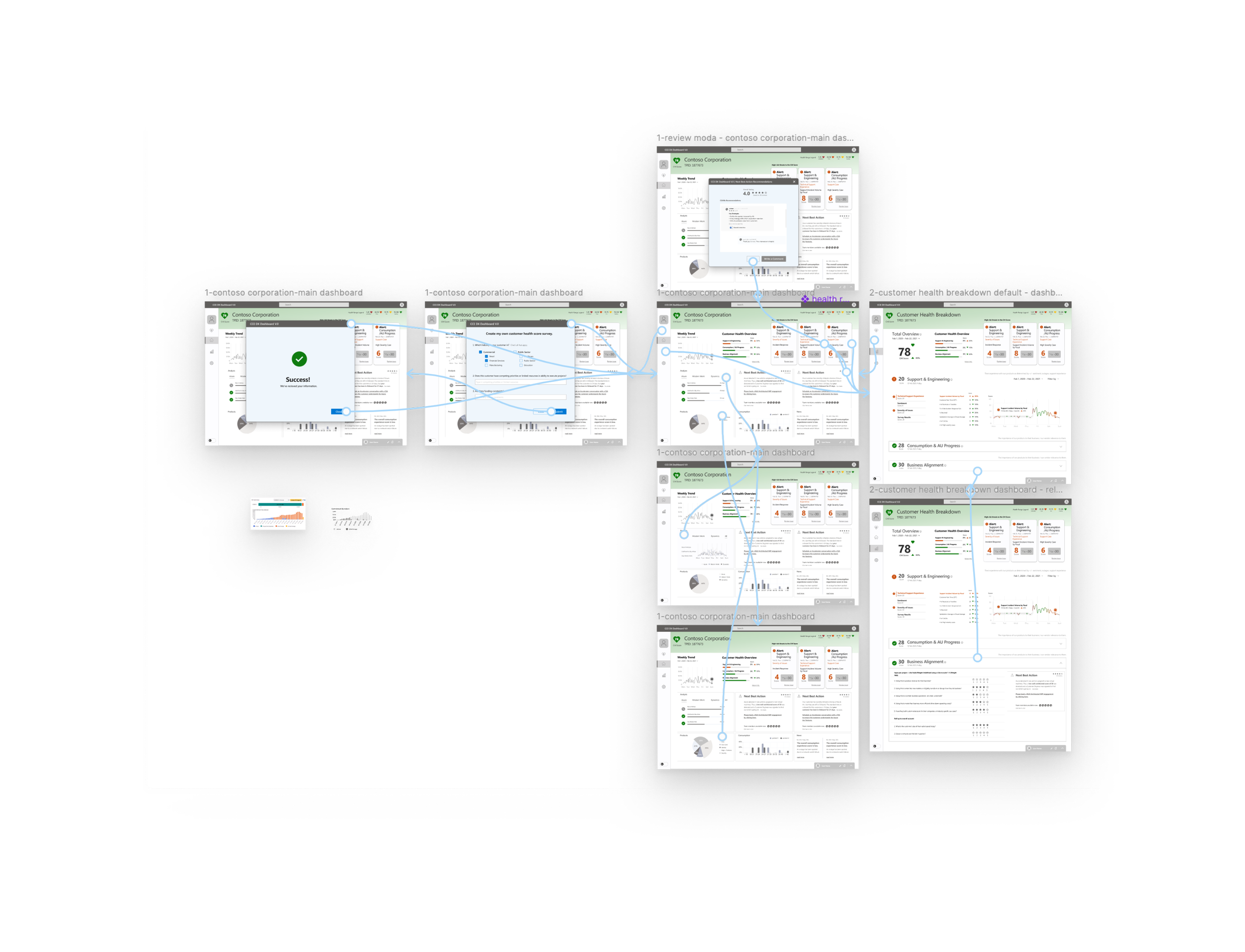
Experience Design & Prototyping: Created wireframes and expanded the design system for new interactions; implemented visual systems to inform decision-making.
Testing & Iteration: Conducted iterative usability testing with feedback from users to refine designs.
Results
Outcomes & Results: Delivered MVP designs with strong effectiveness ratings and user engagement; validated features that drive user satisfaction.
Lessons Learned: Emphasized the importance of clear role definitions, consistent collaboration, and proactive problem-solving in adapting to project changes.
Resolution
Maintained project continuity through proactive knowledge transfer and collaboration, despite turnover challenges, leading to alignment and a successful prototype.
Conclusion
Project demonstrates capacity to lead design operations, foster cross-functional collaboration, and deliver user-centered solutions.
Highlights dedication to impactful digital experiences and ability to influence strategies through user-centered design.