
Separate digital myth from business reality.
Sales feel like a coin flip? Traffic vanishes into the mist? You know value is hidden in your site, but you can’t spot the leak. Frictionless user experience can boost conversion rates up to 400%.
I can trace the tracks to where your customers get lost and get them back on the trail.

100x Rule
Fixing experience problems post-launch can cost 100 times more than during design. I spot the bear traps early, saving your budget for growth instead of repairs.(1)

85% Discovery Rate
You don’t need a huge research budget. Testing with just 5 real people reveals 85% of most usability problems.
I gather evidence and clear a path to capture lost value.(2)

The 35% Fix
Most shopping carts get abandoned before checkout.
Fixing this step alone can lift conversions by roughly 35%. Small, targeted fixes often carry the biggest payoff.(3)
Value in plain sight.
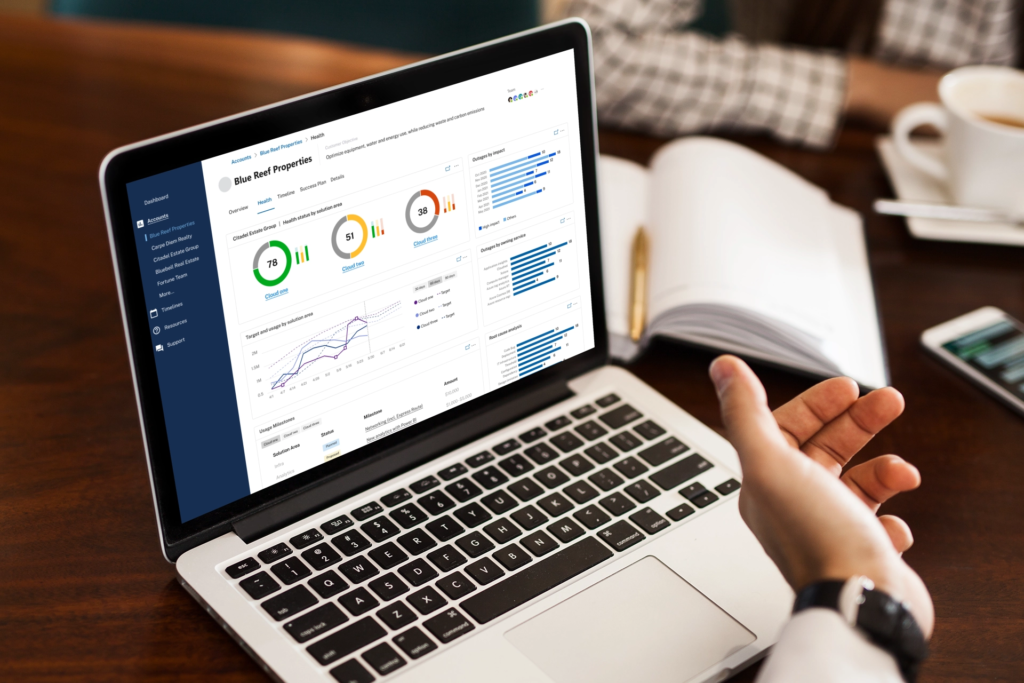
I helped an enterprise team navigate an ecosystem fragmented across 70+ different digital tools. That complexity created informational gaps that drained staff time and confused customers. If your business feels like bushwhacking through a dark forest, you don’t need a total reset. You need a unified map. I distill complex systems into a single, cohesive strategy, identifying what’s actually thriving and building your next steps from there.
When I mapped the digital footprint for first responders working in high-stress situations, I didn’t just look at their screens. I mapped their physical and mental workload to ensure our tool helped them re-enter their “resiliency zone” instead of adding to their burden. I apply this same rigor to your business. I map your terrain based on how your customers actually behave, not how a spreadsheet speculates they should function.

I find the bear-traps before your visitors do.
Here’s what working together actually looks like
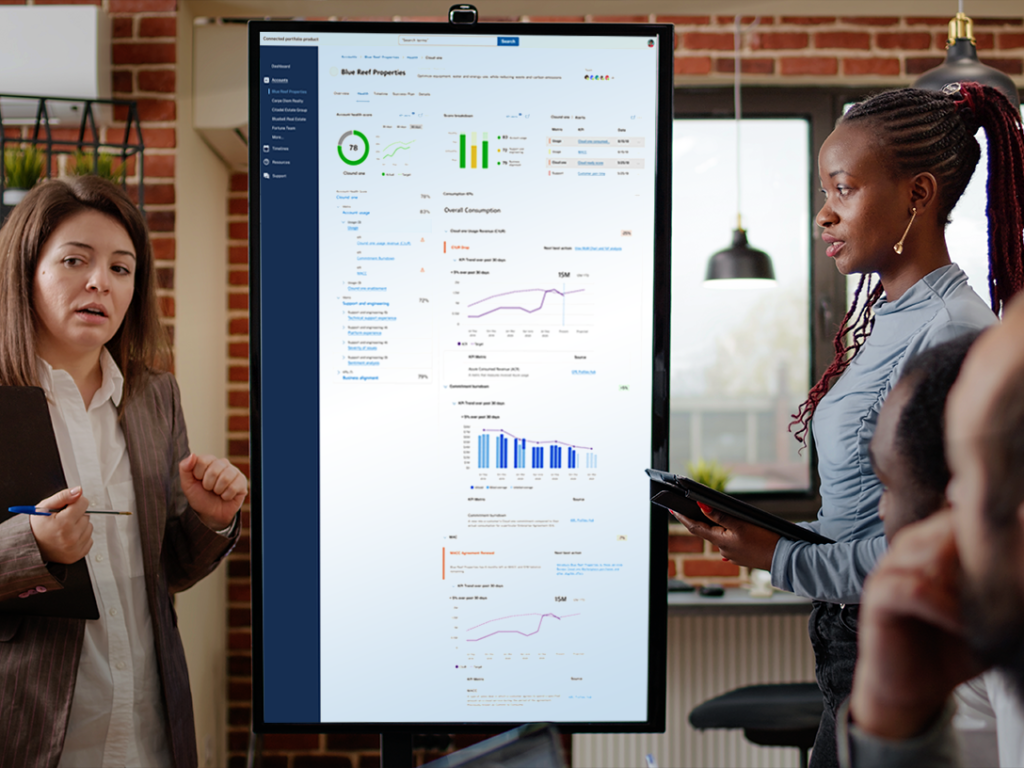
We start with a 30-minute call. You tell me what is going on. I dig into the “why” of your current site. Then, I hand you a precise direction. One call, one short form, and it is on me to figure out the rest. I take your raw business material and distill it into a strategy that actually converts.
[Meghan] has a deep commitment to collegiality, camaraderie, and good work […and] left long lasting impressions on me. Good ones! I acknowledge [her] commitment to have a good work environment. I was looking forward to working together on the project [she] had been leading. I will continue that path forward.
— Hooman Koliji, IndigoSlate/Zensar
I had the pleasure of working with Meghan on the COVID19 resource project together. She is a creative, responsible and thoughtful UX designer. Meghan was always willing to communicate and design to the project requirements. I would have no hesitation recommending Meghan for a UX design position!
— Hungyi Lee, Samsung
Meghan’s drive to never stop learning made her a great person to collaborate with on the research plan. She brought an interesting marketing perspective to the discussions around user experience. In particular, her in-depth knowledge of Google Analytics helped clarify points in our initial client meeting. Her keen interest in UX trends and design processes is infectious!
— Seong Ro, Microsoft
Why not just ask AI to fix my site?
AI is fast at generating options, but it lacks the capacity to detect nuances of your specific customers. AI tools are trained on average data, which gives you average results. I catch the things AI misses because I’m looking for anomalies. Anomalies are exactly where hidden value is buried. I use AI to move faster, but I use my eyes to tell me where we’re actually going.