Mobile-First Adventure Marketplace: Bridging Strategy and User Perception
Overview
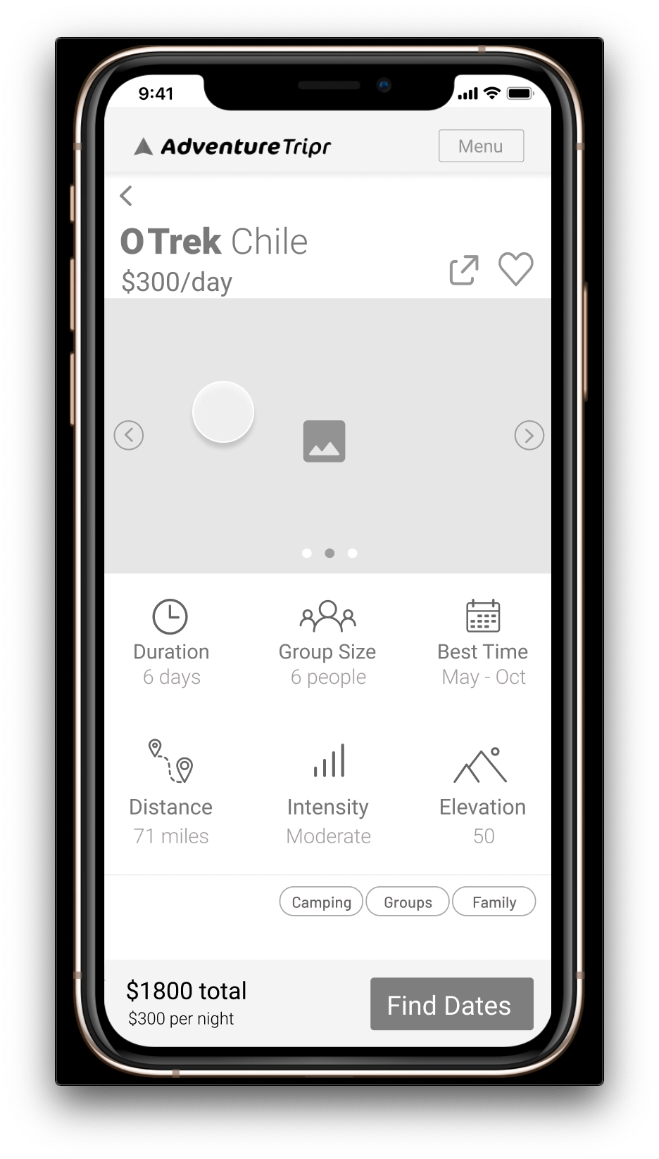
Real-world project: Adventure Tripr is a beta-stage online marketplace offering uniquely curated, affordable multi-day adventure tours for "The Calculated Adventurer."
Focus on enhancing user engagement through a human-centered content strategy informed by first-person user research.
Background
Target Audience: Focuses on "The Calculated Adventurer," individuals who value pre-planned, genuine travel experiences for deeper connections.
Strategic Differentiators: Connects users with local operators and guides; emphasizes narratives of authenticity, transparency, and secure payment options.
User Insight: Discovered user distrust of overly professional photography as potentially misleading.
Contributions
Roles: UX Researcher, Design Manager, and Mentor.
Responsibilities: Mentorship of younger designers, knowledge management between team members and stakeholders, and visual design for weekly stakeholder presentations.
Key Skills: Systems thinking, project management, advanced user research, prototyping, usability testing, and information architecture.
Purpose
Strategy Challenges: Transitioned from desktop-first to mobile-first design; addressed disconnects in affordable perception and complex booking flows.
Resolution Goals: Marrying stakeholder demands for content marketing with human-centered UX insights to implement intuitive navigation and branding recommendations.
Team
Key Contributions: Identified "The Calculated Adventurer" persona to shape design strategy; led the delivery of a human-centered content strategy based on first-person research.
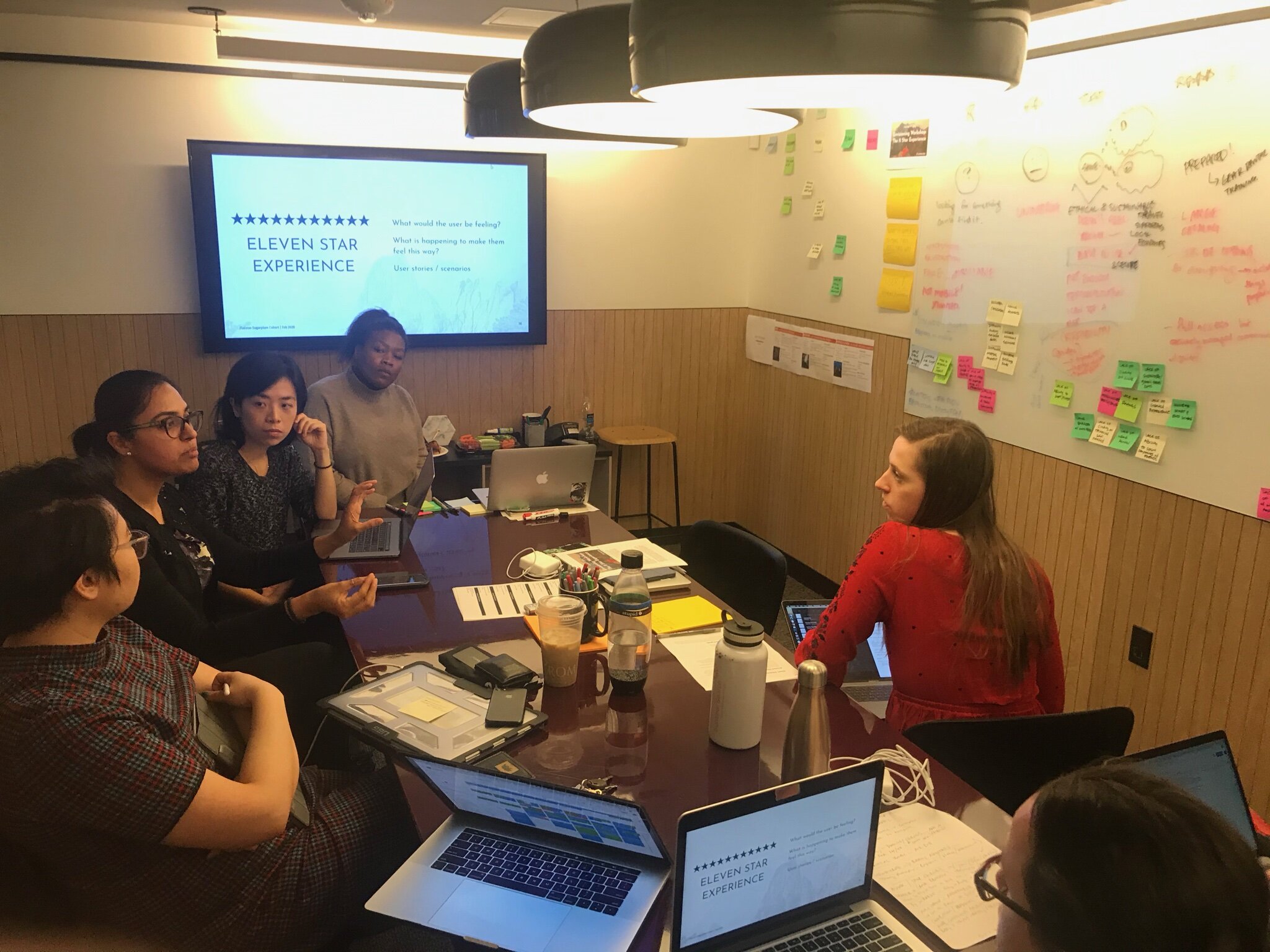
Team Dynamics: Managed knowledge transfer and fostered iterative feedback loops to respond to evolving business directions.
Scope
Timeline Adjustment: Project extended beyond the initial 4-week timeline to fully explore content strategies informed by user insights and stakeholder feedback.
Managed Constraints: Overcame platform limitations through precise design handoffs and detailed documentation.

Process
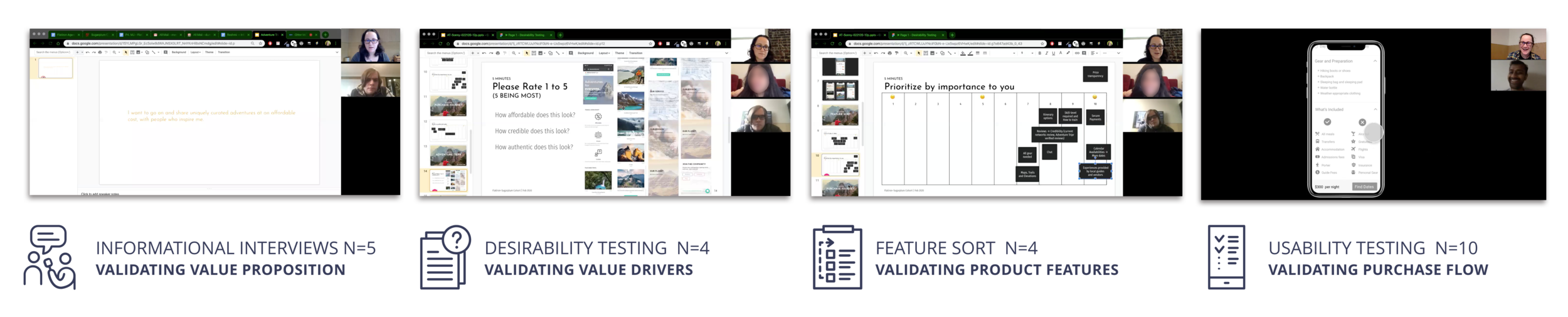
Research & Insights: Conducted comprehensive surveys and interviews to identify content authenticity preferences, leading to product repositioning.
Design Execution: Executed a mobile-first strategy centered on narrative authenticity and visual coherence, moving away from professional visual content based on user feedback.
Outcomes
Impact: Transition to a lifestyle tone improved market resonance and user engagement; stakeholders were so satisfied they offered teammates social media marketing positions at their startup.
Key Lessons: Underscored the importance of aligning UX strategy with user perception and early stakeholder communication to facilitate effective execution.
Conclusion
Committed to bridging user satisfaction and business objectives through strategic, adaptive problem-solving and human-centered content UX strategy.